

For many community organisations, hiring out rooms and event spaces is no longer just a 'side project.' It is a critical strategy for financial resilience and independence. However, in an increasingly competitive market, simply having a room or hall isn't enough. You need a proactive strategy to stand out, attract the right hirers, and manage bookings efficiently.
This guide provides a professional framework to help you move from passive room hire to a thriving, income-generating business model. Whether you manage a historic town hall or a modern community centre, this resource helps you professionalise your 'digital shop window' and build a loyal customer base.
What you will learn
By following this guide, you will gain the practical skills needed to transform your venue’s visibility and profitability. Key learning outcomes include:
- Audience mapping: Identifying your existing and potential customers, from local yoga instructors to corporate training teams.
- Compelling messaging: How to write key messages that resonate with specific audiences and highlight your "Unique Selling Points" (USPs).
- Strategic marketing approaches: Tailoring your digital and offline tactics to reach the right people at the right time.
- The booking pipeline: Developing a structured process to turn initial enquiries into confirmed, repeat bookings.
- Package development: Creating enticing offers and tiered pricing structures to maximise revenue without alienating community users.
- Performance monitoring: Tools and techniques to evaluate your marketing success and adjust your strategy for growth.
Who is this for?
This resource is essential reading for anyone tasked with the stewardship and sustainability of community assets:
- Community space managers and staff: Responsible for day-to-day hire operations and customer relations.
- Trustees and Board members: Looking for ways to diversify income streams and reduce grant dependency.
- Marketing and Communications Managers and Officers: Seeking sector-specific advice on promoting local venues.
- Town and Parish Councils: Aiming to increase the usage and community value of public buildings. ownership of a local building or land through Community Asset Transfer.

Related resources
Managing your community building
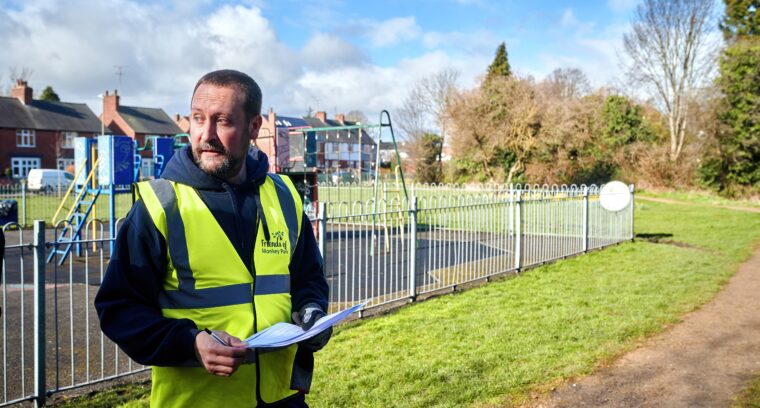
A guide to the effective and sustainable management of community buildings, covering legal requirements, maintenance, health and safety, and building strong relationships with your local community.

Greening your asset and beyond
Practical steps you can take to reduce your asset and organisation’s carbon footprint, whilst contributing to co-benefits such as cost-savings, community education, cohesion and empowerment.
Assessing the feasibility of a community asset project
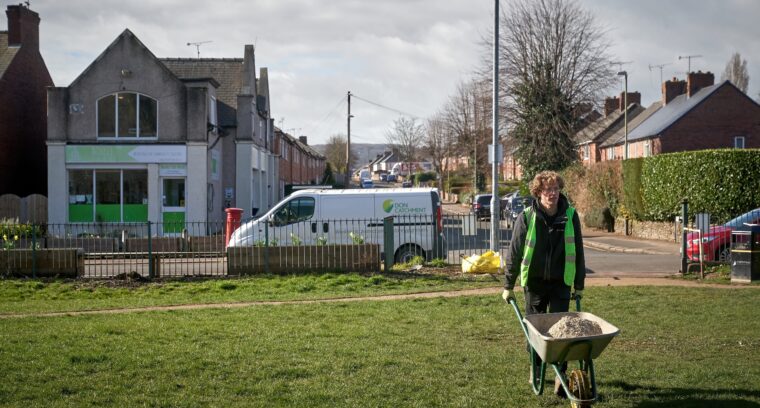
This resource provides guidance on assessing the feasibility of acquiring or refurbishing a building or land asset. It emphasises that feasibility is an ongoing process, not a one-time task, and should be revisited throughout development.
The resource highlights the importance of asking challenging questions early, as many later-stage issues stem from inadequate feasibility assessments.
A thorough feasibility process also strengthens funding proposals by showing a well-reasoned development approach.
A guide to capital development projects
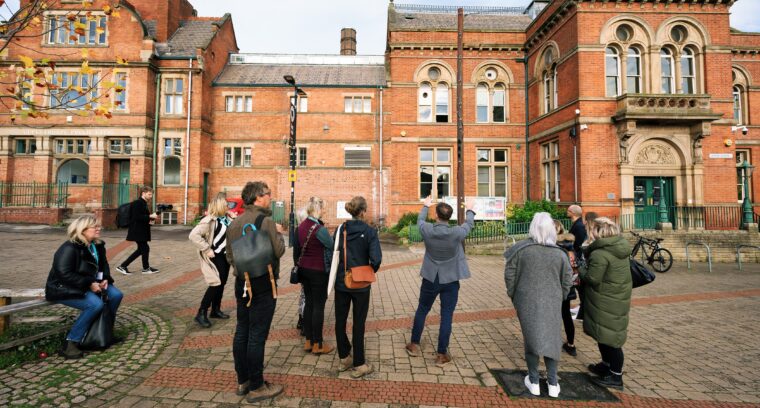
Plan, fund, and manage building projects from initial concept to completion. Whether you are looking at new build, refurbishment, extension or more modest repair and renewal works, this guide provides a roadmap for success.
Energy efficiency for community buildings: Quick wins checklist
Use this checklist to identify quick actions to cut energy bills, reduce carbon emissions, and make your community building more comfortable.

Writing a Business Plan for a Capital Project
This guide is designed to help you develop a business plan for acquiring and/or refurbishing an asset.
While a strong business plan can help secure support and funding, its primary purpose is to guide your organisation’s development and planning.
The guide is especially useful for those unfamiliar with writing business plans, offering clear explanations and outlining the key elements needed for a successful project.
It also highlights funders’ expectations and provides advice on presenting information clearly and accessibly, avoiding jargon. Supporting details can be included in appendices, and the final section focuses on the criteria funders typically use when assessing project proposals.

Maximising use of community assets in a cost-of-living crisis
How do you run an asset that can be used for service delivery while maintaining a viable community business? This session looked at how to make the most of asset space during the cost-of-living crisis.
This feels like the eternal question for asset owning community organisations. However, as the cost-of-living crisis deepens, finding the balance between service delivery and sustainability has become even more of a challenge. This session looked at how to make the most of asset space during the cost-of-living crisis.
We heard from community organisations who are currently tackling this issue. We also heard from Wrigley’s Solicitors about how best to “flex” your assets and the legal considerations.
- Fran Etherington from the The Old Fire Station, Leeds, told us that room hire remains a core part of their income generation model. They believe forward planning has been essential to their sustainability through the cost of living crisis. They put strong financial planning procedures in place during covid, agreed to fixed utility rates before the crisis fully hit, and have loyal tenants.
- Laura Moss of Wrigleys Solicitors discussed the legal considerations of using assets in different ways. “it is important to have flexible legal structures so the organisation can adapt and exploit new opportunities”
- Megan Ohri from SOAR, Sheffield, explained how they have tapped into the desire of tenants/ users to make more ethical choices. They have been able to use the fact they are a non-profit, with green credentials, that provide warm spaces to work as a unique selling point.

Engaging professional advisors when acquiring or adapting your building
Successfully appoint and manage professional advisors, such as architects and surveyors, ensuring capital projects are delivered on time and within budget when planning the acquisition, development, or adaptation of a community building or land.