
The community right to buy
Buildings and spaces are often the heart of a community, where local people come together, access vital services and support each other. Yet each year thousands of valued local buildings and spaces are sold off, destroyed or left empty, when they could be providing valuable spaces for local people.
Communities now have a ‘Right to buy' to protect valued local buildings and spaces. As part of this, eligible community groups can nominate certain buildings or land as ‘Assets of Community Value’. Then, if these assets are to be sold, the sale can be delayed for twelve months to let the community raise the finance and make a bid themselves.
Under the 'Right to Bid', research suggests only 2% of Assets of Community Value became community owned. Many lost out to other bids, and six months was often not long enough to raise funds. So the Community 'Right to Buy' is a start to really unleash the power of community.
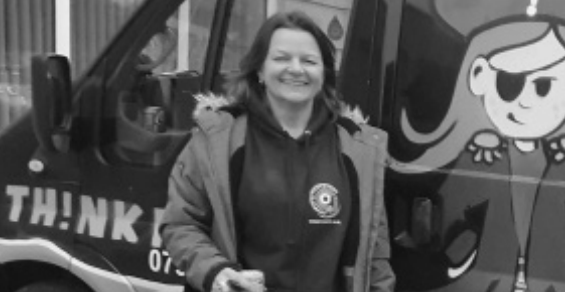
And you just think why? Why are these buildings shut up and nobody can get hold of them or it takes absolutely years?
We need proper control over land and buildings, and then amazing things will happen.
What is the Community Right to Buy?
The Community ‘Right to Buy’ replaces the old Right to Bid. At Locality we’ve been campaigning for this for nearly a decade, including through our cross-sector Localism Commission, our popular Save our Spaces campaign, and our recent Locality Manifesto.
The government has now introduced a Community Right to Buy as part of its English Devolution and Community Empowerment Act. The new power gives communities the right of first refusal once important local buildings and spaces come up for sale, if they have already been registered as an Asset of Community Value. It also:
- Allow a community organisation or group to purchase any Asset of Community Value without competition when it comes up for sale, if they can raise the required funds.
- Stop the asset from being sold to anyone else for 12 months (rather than six months), to give local communities the time to raise the necessary funds. For this period, property and landowners would have to maintain (or improve) the asset’s condition.
- Widen the range of assets that can be registered as Assets of Community Value to include those which have had an impact at any point on economic wellbeing as well as social wellbeing, and to include sporting assets. This allows many more buildings and spaces to be registered, including long-term vacant or derelict assets.
- Allow communities to appeal if they were unsuccessful in registering their asset as an Asset of Community Value.
The government has also announced a £61 million Community Right to Buy Fund to support local people in disadvantaged areas to take ownership of buildings and spaces. Locality has been calling for a coordinated fund and a National Community Ownership Strategy, we will be working with the government to maximise the impact of this funding and will share more details when we have them.
However, the Community Right to Buy Fund only scratches the surface of what is needed. So we're campaigning for £200m of community ownership funding to help more communities build the foundations of community power. You can help us by signing our letter to the Government.
How we can help
Locality is the leading national experts on community ownership of buildings and spaces. We have extensive advice, tools and training to help you save a space and manage it for the benefit of the community, and connect you with other organisations that manage community-owned spaces.
We help communities own and manage land and buildings, including community centres, as well as local spaces like shops, libraries, swimming pools, pubs, green spaces and more, protecting them for future generations. Community ownership helps places thrive and creates long-term resilience for community organisations.