

A new report, released by ARCHES (Arts and Culture in Health Ecosystems) has found that although community organisations can reach people statutory services often fail to, they are usually “missing in health and wellbeing strategies”.
The ARCHES report, produced by Locality, Leeds Beckett University and Social Life, found that local community organisations, draws on examples from Bedford, Halifax, Birmingham and London.The report found that local community organisations:
- Understand their people and places – ensuring their services are inclusive and culturally competent.
- Provide “whole person” support – understanding that people have multiple, interwoven needs that often emerge once someone feels secure.
- Are started and staffed by passionate local people and have partnerships with business and community leaders.
- Understand the importance of providing activities that do not patronise or stigmatise participants.
- Build on people’s strengths and interests as a first step to developing a relationship. This often involves engaging people through access to the natural environment or creative activity.
The report draws on examples from Bedford, Halifax, Birmingham and London:
- ACCM (UK) in Bedford supports girls and women affected by illegal traditional cultural practices, and addresses wider health inequalities. Many of the communities they serve are uncomfortable accessing mainstream health services, so ACCM organise inclusive events like their African celebration, providing a platform to engage people in health services and get them support from mental health workers and pharmacists in an informal setting. Trusted ACCM staff knock on doors and engage individuals to ensure they get help. Read the case study here: Arches-ACCM-Case-Study-Update.PDF (locality.org.uk)
- Halifax Opportunities Trust (HOT) provide help with employability, skills development, entrepreneurship, and family support. Recognising the limitations of the traditional classroom , HOT established a community garden as a way for adults & young people to acquire skills through practical experience in cooking, gardening, and social interaction. Read the case study here: ARCHES-HOT-Case-Study-update.pdf (locality.org.uk)
- St Pauls Community Development Trust in Birmingham provide a nursery, children's’ centre, school and city farm. Through accessing the different services over time, people build trusting relationships with local staff and volunteers, and improve their health and wellbeing. However, the loss of reliable funding is making it increasingly difficult to “knit-together” this holistic support. Read the case study here: . ARCHES-St-Pauls-Case-Study-update.pdf (locality.org.uk)
- Pembroke House in London provide safe, creative spaces and arts activities for their diverse community. While offering wrap-around services including health and nutrition, activities avoid an explicit health focus to mitigate stigma. Read the case study here: ARCHES-Pembroke-Case-Study-update.pdf (locality.org.uk)
Related reports
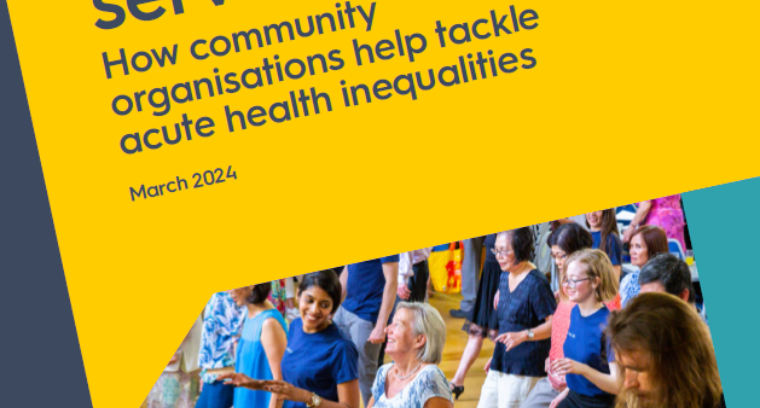
Creating inclusive services
Published: 18 March 2024
90 minute read
Overview
Overview
The role of community organisations in creating services which meet the needs of their local population and address health inequalities.

Understanding health system funding
Published: 14 February 2024
60 minute read
1 document
Overview
Overview
How local VCSE organisations can best position themselves for health system funding, overcome barriers, and influence change.

Keep it Local
Keep it Local for Better Health
Published: 14 February 2024
90 minute read
1 document
Overview
Overview
How Locality’s long-standing Keep it Local principles for public services can help Integrated Care Systems unlock the power of community.

Going further together
Published: 14 June 2023
20 minute read
2 documents
Overview
Overview
Locality’s research into the factors for successfully involving VCSE organisations in neighbourhood health ecosystems.

Space to thrive
Published: 30 March 2023
20 minute read
1 document
Overview
Overview
O

Creating health and wealth by stealth
Published: 31 January 2023
20 minute read
1 document
Overview
Overview
New research from Locality recommends changes to the way the health system involves community anchor organisations in illness prevention services.
Our latest report – Creating health and wealth by stealth – explores the role of large, well established community organisations in promoting good health and preventing disease in their neighbourhoods.